Coding for Kids: A Beginner’s Guide for Parents
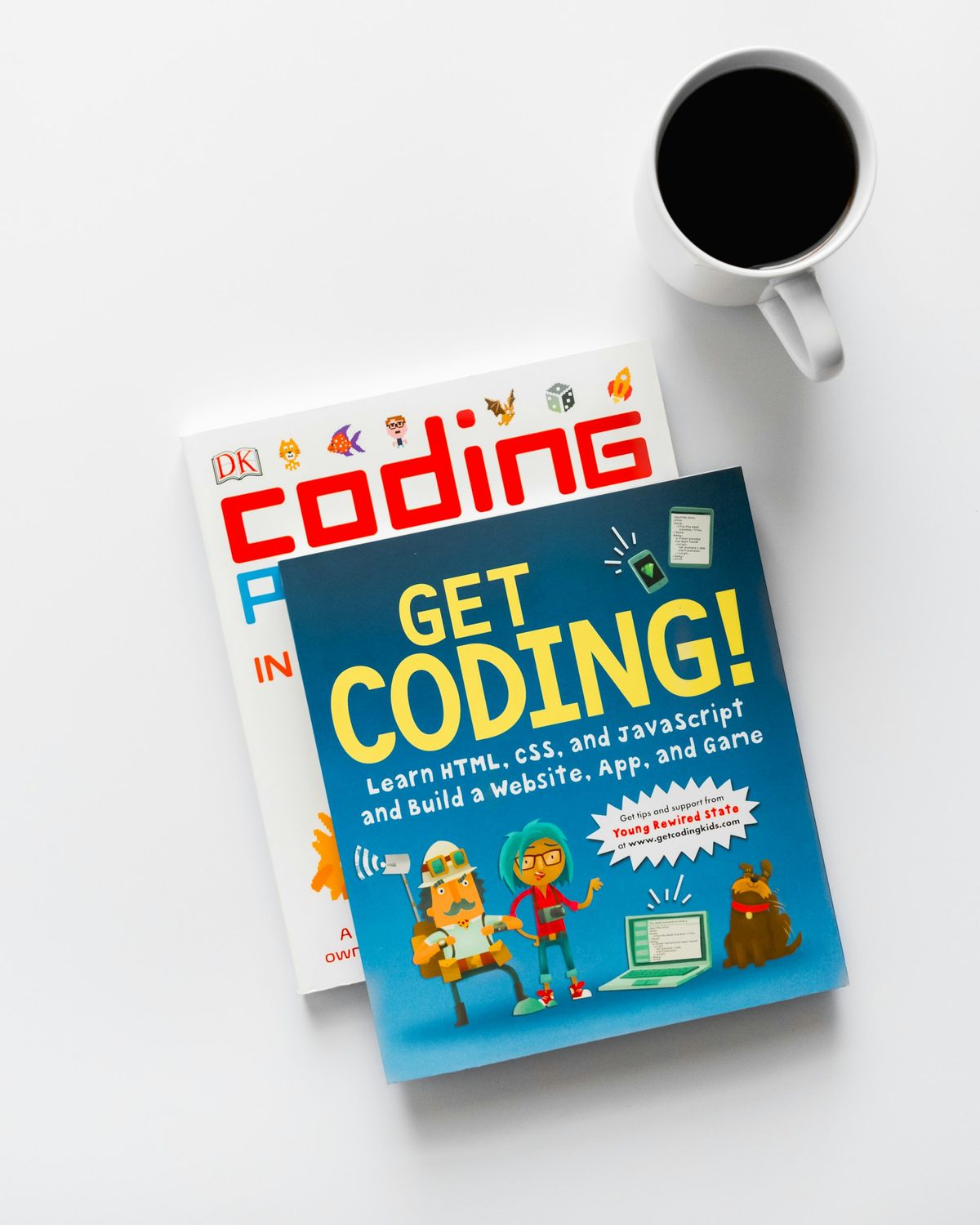
Technology plays a major role in children’s lives today. From the apps they use to the games they play, digital tools are part of everyday learning and entertainment. Because of this, many parents are starting to hear more about the importance of coding education for kids.
For many families, however, coding can feel intimidating. Parents may assume it requires advanced technical knowledge or that it is only useful for children who want to become software engineers. In reality, coding is much broader than that.
Learning to code helps children understand how technology works, develop problem-solving skills, and build confidence when tackling complex challenges. It encourages creativity, logical thinking, and persistence.
The good news is that coding has become far more accessible in recent years. Beginner tools, visual programming platforms, and interactive learning environments now allow children to explore coding concepts in ways that feel engaging and approachable.
For parents wondering where to begin, this guide explains what coding is, why it benefits children, and how families can support coding learning step by step.
What Is Coding?
At its simplest, coding is the process of giving instructions to a computer. Computers cannot think on their own, so they rely on precise commands written in programming languages.
These instructions tell the computer what to do, such as displaying a webpage, running a game, or processing information.
For children, coding is usually introduced through beginner-friendly tools that simplify the process. Instead of typing complex code immediately, many platforms use visual programming blocks that snap together like puzzle pieces.
Each block represents a specific command. For example, one block might move a character forward, while another might trigger a sound or animation. By connecting blocks in the correct order, children create sequences of instructions that control what happens on screen.
This visual approach allows kids to focus on logic and creativity rather than memorizing complicated syntax.
Through coding, children can build simple games, design animations, and create interactive stories. These projects make learning feel less like studying and more like exploration.
Coding Teaches Computational Thinking
One of the most important skills children develop when learning to code is computational thinking.
Computational thinking is the ability to approach problems in a structured and logical way. Instead of trying to solve a complex problem all at once, children learn to break it into smaller, manageable steps.
Coding encourages several key computational thinking skills:
- Decomposition - breaking large problems into smaller parts
- Pattern recognition - identifying similarities between problems
- Abstraction - focusing on the most important information while ignoring unnecessary details
- Algorithmic thinking - creating clear, step-by-step solutions
For example, when a child programs a character to move across a screen, they must think carefully about the sequence of instructions required to reach a goal.
These skills extend far beyond programming. Computational thinking helps children solve problems in mathematics, science, and everyday situations.
By learning to think in this structured way, children develop reasoning skills that support learning across many subjects.
Why Learning to Code Benefits Children
Coding is often associated with careers in software development or technology. While coding skills can certainly open doors in those fields, the benefits extend far beyond future job opportunities.
Coding supports a wide range of cognitive and developmental skills that are valuable in many areas of life.
Coding Helps Children Understand the Technology Around Them
Many children interact with technology every day. They use apps, watch videos, and play digital games, but often have little understanding of how those tools actually work.
Learning to code helps shift children from being passive users of technology to active creators.
When children write simple programs, they begin to understand the logic behind the tools they use. They see how commands control actions, how instructions trigger outcomes, and how digital systems follow structured rules.
This understanding builds what educators call digital literacy. Instead of viewing technology as something mysterious, children gain insight into how software, websites, and applications operate.
Developing this understanding early can be empowering. Children realize that technology is not just something designed by others. It is something they can build, modify, and improve.
In a world increasingly shaped by artificial intelligence, automation, and digital systems, helping children understand technology gives them greater confidence and control over the tools that shape their lives.
Builds Problem-Solving Skills
Coding teaches children how to approach problems in a structured way. Instead of feeling overwhelmed by a large task, they learn to break problems into smaller steps.
For example, if a character in a game does not move the way it should, a child must analyze the instructions they wrote, identify where the issue occurred, and adjust the sequence of commands.
This process strengthens analytical thinking and teaches children how to systematically work through challenges.
Develops Logical Thinking
Programming relies heavily on logic. Instructions must be organized in the correct order for a program to work.
When children practice sequencing commands and understanding cause-and-effect relationships, they strengthen logical reasoning skills that also support learning in subjects like mathematics and science.
Encourages Creativity
Many people think of coding as purely technical, but it is also highly creative.
Children often use coding to design characters, create interactive stories, or build simple games. This process allows them to express ideas and imagination through digital tools.
Coding becomes a medium for storytelling and experimentation, similar to art or writing.
Builds Persistence and Confidence
One of the most important lessons coding teaches is that mistakes are part of the learning process.
Programs rarely work perfectly on the first attempt. Children must debug their code by identifying errors and improving their instructions.
Through this process, they learn patience and resilience. Each successful solution builds confidence and reinforces the idea that challenges can be overcome with persistence.
When Should Kids Start Learning Coding?
Many parents assume coding is something children should learn later in school. However, research shows that coding concepts can be introduced much earlier.
The key is using age-appropriate activities and tools.
Early Childhood
Children as young as three to five years old can begin learning basic coding concepts. At this stage, coding often appears as sequencing activities, puzzle games, or robotics toys that respond to simple commands.
These activities introduce children to cause-and-effect relationships and structured thinking.
Elementary School
During elementary school, children can begin exploring visual programming platforms.
Block-based coding environments allow students to build interactive projects without worrying about complex programming syntax. Kids can create animations, games, and stories while learning foundational programming ideas.
Middle School and Beyond
As children grow older, they can transition to more advanced coding tools and programming languages.
Students may begin learning text-based languages and building more sophisticated projects such as apps or websites.
By gradually building skills over time, coding becomes less intimidating and more intuitive.
A Simple Learning Path for Kids
Parents often wonder how to guide their children through learning coding. Fortunately, coding education usually follows a gradual progression that builds skills step by step.
Step 1: Develop Logical Thinking
Before writing code, children benefit from activities that strengthen logical reasoning.
Puzzle games, pattern recognition exercises, and sequencing challenges help build the thinking skills that coding requires.
Step 2: Start With Visual Coding
Visual programming platforms introduce coding concepts using drag-and-drop blocks.
Children can experiment freely without worrying about making syntax errors. This stage focuses on understanding how commands work together to produce outcomes.
Step 3: Create Simple Projects
Project-based learning is one of the most effective ways for kids to develop coding skills.
Children might create interactive stories, simple games, or animated scenes. These projects make coding meaningful because students can see the results of their work.
Step 4: Explore Programming Languages
As confidence grows, students can transition into beginner-friendly programming languages.
At this stage, children start writing real code and exploring more advanced projects.
Beginner Coding Tools for Kids
There are many tools designed specifically to help children learn coding in an engaging and accessible way.
Visual Coding Platforms
Visual coding environments allow kids to connect programming blocks to build programs. These tools simplify complex programming concepts and make coding easier to understand.
They are often used to teach foundational ideas such as loops, conditions, and sequences.
Robotics Kits
Robotics kits allow children to program physical devices that move and respond to instructions.
By watching robots follow coded commands, children can see how programming translates into real-world actions. This hands-on experience reinforces cause-and-effect relationships.
Structured Learning Platforms
Some learning environments offer guided coding challenges and step-by-step skill progression.
These platforms help children gradually develop coding knowledge while providing feedback and structured learning paths.
Project-Based Learning Makes Coding More Effective
One of the most effective ways for children to learn coding is through project-based learning.
Instead of memorizing commands or completing repetitive exercises, children learn best when they are building something meaningful. Projects give coding a purpose and allow children to see the results of their work immediately.
For example, a child might create:
- a simple game where characters move across the screen
- an interactive story where different choices change the outcome
- an animation with music and sound effects
These projects encourage experimentation and creativity. When something does not work, children investigate the problem and adjust their code.
This process mirrors the way real programmers and engineers work. They design solutions, test their ideas, identify mistakes, and improve their programs over time.
When learning becomes creative and interactive, children are more likely to stay engaged and continue developing their skills.
How Parents Can Support Coding at Home
Parents do not need to be programmers to encourage coding skills in their children.
Encourage curiosity by asking children how their favorite games or apps work. Exploring technology together can spark interest in digital systems.
Focus on projects rather than exercises. Building something meaningful helps children stay motivated.
Celebrate problem-solving. Debugging and fixing mistakes are normal parts of coding, and recognizing effort helps build confidence.
Finally, maintain balance. Coding works best as part of a learning environment that includes creativity, play, and exploration.
Coding Helps Prepare Children for Future Careers
While not every child who learns coding will become a software engineer, understanding coding concepts can open many opportunities in the future.
Technology now plays a role in nearly every industry. Fields such as healthcare, engineering, finance, entertainment, and scientific research increasingly rely on software and digital tools.
Even basic coding knowledge can support careers in areas such as robotics, artificial intelligence, cybersecurity, data analysis, and digital media.
More importantly, coding teaches skills that employers value across many professions. Logical reasoning, problem-solving, persistence, and creativity are all strengthened through coding activities.
The Bigger Picture: Coding as a Life Skill
Coding is becoming an important part of modern education, but its value goes beyond preparing children for technical careers.
Learning to code helps children understand the technology that shapes their world. It encourages problem-solving, logical reasoning, creativity, and persistence.
These skills support success across many academic subjects and future career paths.
By learning how technology works, children move from simply using digital tools to understanding how they are built.
Conclusion
Coding may seem complex at first, but for children it can become an engaging and rewarding learning experience.
Through coding, kids learn how to solve problems, think logically, and create digital projects that reflect their ideas.
With the right tools and guidance, coding can start earlier than many parents expect.
For families, the most important step is simply encouraging curiosity and exploration. When children begin experimenting with coding, they are not just learning a technical skill.
They are developing the confidence and problem-solving abilities that will help them navigate a technology-driven world.